The mattress is the centre of the bedroom, but it is not the only ingredient in a comfortable night. Start with a layout that leaves enough space to move around the bed and reach the things you use regularly. A clear bedside surface, accessible lighting, and bedding suited to the season can make the room feel more settled. The warm wood, pale upholstery, and orange accents in the Emma bedroom photograph offer a visual reference, not a required formula for your own space.
Light is another part of the routine. Consider how bright the room feels when you are getting ready for bed and how daylight enters in the morning. Curtains, blinds, and a bedside lamp can help you adjust the atmosphere to your preference. There is no need to copy a styled photograph exactly. Choose practical elements that work with your room, whether that means a smaller bedside table, fewer decorative cushions, or a simpler combination of fabrics and textures.
Temperature and bedding should be considered together. A heavy duvet and a waterproof protector can influence the warmth of the sleeping surface, even when the mattress contains materials described as breathable. If the bed feels warmer than you like, review these surrounding factors before drawing conclusions about a single foam layer. Follow care labels for sheets and protectors, keep bedding dry, and give the room opportunities to ventilate when conditions allow. A balanced setup makes it easier to understand your own comfort preferences.
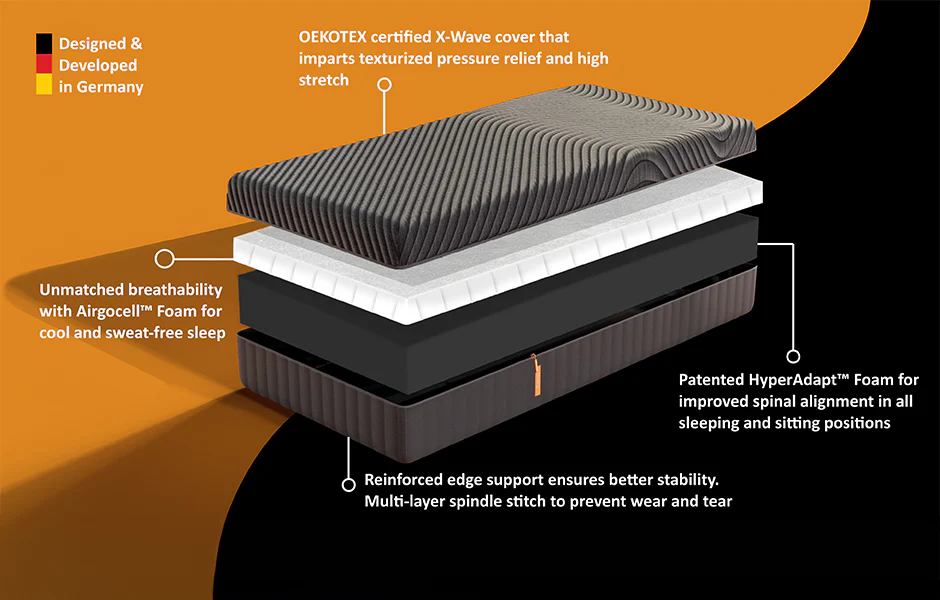
Finally, think about the transition into rest. Keeping your bedroom comfortable and your evening routine reasonably consistent can be a useful complement to choosing a mattress. What feels restful differs from person to person, so focus on changes you can sustain rather than a perfect-looking room. Emma’s product imagery brings together technical construction and everyday bedroom styling; your own sleep space can do the same by pairing a carefully selected mattress with practical, personal choices around it.